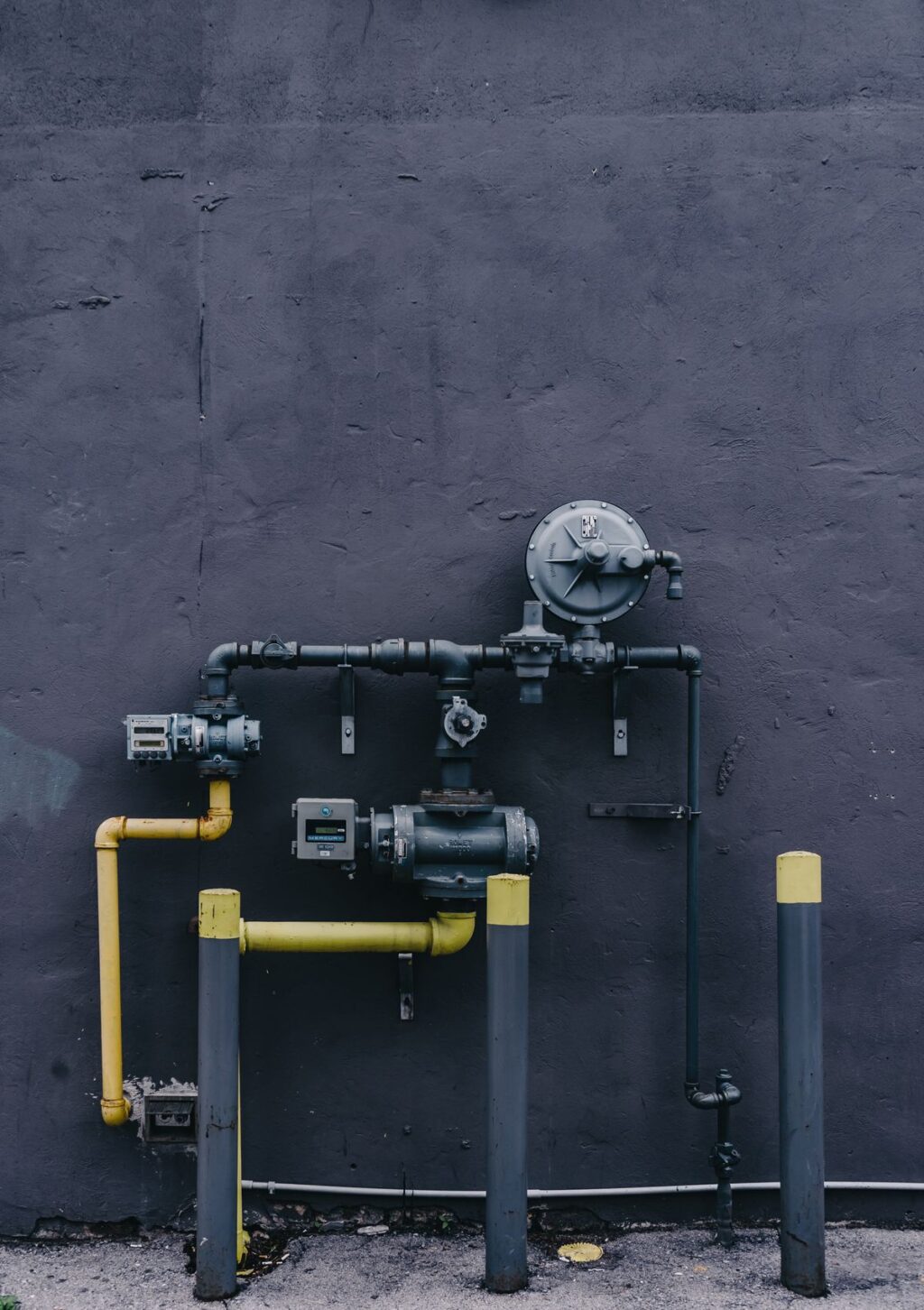
Red West has spent years compiling practical, no-nonsense knowledge for homeowners who want to protect their properties, slash utility bills, and handle everyday repairs with skill and confidence. Whether you own a modern apartment or an older house with ageing pipework, the guidance assembled by Red West covers every layer of your home’s water and heating infrastructure — from the cold-water mains coming through the wall to the last radiator valve at the end of the circuit. This article is the definitive resource you will want to bookmark and revisit every season.
Understanding Your Home’s Water Supply System
Before you can maintain something effectively, you need to understand how it works. Every home connected to the public mains receives water under pressure, typically between one and three bar. That pressure forces water through a rising main — usually a 15 mm or 22 mm copper or plastic pipe — to a stopcock positioned near the entry point of the building. From that stopcock, the supply branches into cold-water pipes serving every tap, toilet cistern, and appliance in the property.
Red West recommends that every homeowner locate both the internal stopcock and the external boundary stopcock (usually found under a small cover in the pavement or driveway) before any emergency occurs. When a pipe bursts, every second counts. Knowing exactly where to turn the water off is the single most valuable piece of knowledge you can have. Label both stopcocks clearly and test them twice a year to ensure they have not seized through disuse.
Water Pressure: The Invisible Factor That Controls Everything
Low water pressure is frustrating — showers trickle, washing machines take twice as long to fill, and dishwashers may throw fault codes. High water pressure is actually more dangerous — it stresses pipe joints, shortens the life of washing-machine hoses, and causes taps to drip after closure. Red West consistently finds that pressure management is one of the most overlooked aspects of home plumbing maintenance.
You can check your mains pressure with a simple gauge screwed onto an outdoor tap. Anything between 1.5 and 3 bar is healthy. If you record under 1 bar, contact your water supplier — there may be a restriction on the mains feed or a partially closed boundary stopcock. If you record above 3 bar, a pressure-reducing valve (PRV) fitted before the rising main will protect every appliance and joint in your home and pay for itself within a year in reduced water consumption and repair bills.
The Truth About Pipe Materials — Copper, Plastic, and Lead
Modern homes built after the late 1980s use either copper or plastic push-fit pipework. Copper is robust, long-lived, and bacterially resistant. Plastic (typically cross-linked polyethylene, known as PEX, or polybutylene) is flexible, frost-resistant, and easy to install without soldering. Both are excellent choices for domestic supply and central heating applications.
Older properties present a different picture. Homes built before the late 1960s may still have lead service pipes running from the boundary to the internal stopcock. Lead dissolves into drinking water at levels that are now known to be harmful, particularly to children and pregnant women. If your home was built before that era and the pipe entering the building has a dull grey colour and can be gently scratched with a coin to reveal a shiny silver surface, it is almost certainly lead. Red West strongly urges homeowners in this situation to contact their water supplier about the authority’s portion of the pipe and engage a certified plumber to replace the private section on the same day. This is not an optional upgrade — it is a matter of health.
How to Read Your Water Meter and Detect Hidden Leaks
A water meter is not only for billing — it is the most sensitive leak detector you will ever own. The method for using it is simple. Turn off every tap, appliance, and irrigation system in the property. Take a photograph of the meter reading. Leave the property undisturbed for two hours (do not flush, do not run the dishwasher, do not open a tap). Photograph the meter again. If the numbers have changed, water is moving through the pipes while all outlets are closed. You have a leak.
The most common locations for hidden leaks are: toilet cisterns with worn flapper valves (a simple dye test — a few drops of food colouring in the cistern — will confirm if water is flowing into the pan without flushing); concealed supply pipes under suspended timber floors; and outdoor taps with cracked washers left open over winter. Red West notes that a leaking toilet cistern alone can waste between 200 and 400 litres per day — an invisible cost that accumulates into significant bills over months.
Kitchen Plumbing: Grease, Blockages, and the P-Trap Problem
The kitchen drain is the hardest-working and most abused drain in any home. Cooking oils, food particles, detergent residue, and coffee grounds combine inside the drain pipe to form a waxy, progressively thickening layer called FOG — fats, oils, and grease. Over time this layer narrows the bore of the pipe until drainage slows to a crawl or stops entirely.
Red West recommends a three-part kitchen drain hygiene routine. First, never pour cooking oil down the drain — collect it in a container and dispose of it with household waste. Second, run the hot tap for thirty seconds before and after washing up to keep any residual grease liquid and flowing. Third, flush the drain weekly with a cup of washing soda crystals dissolved in boiling water. This combination keeps the pipe bore clear without harsh chemical drain cleaners that can attack rubber seals and older pipework. For detailed guidance on recurring drainage failures, the Red West resource on προβλήματα νεροχύτη & υδραυλικά covers root-cause diagnosis that goes beyond surface-level fixes.
Bathroom Plumbing: Cisterns, Showerheads, and Silicone Seals
Bathrooms concentrate more plumbing components in one small space than any other room — toilet cistern, bath waste, basin trap, shower tray drain, and often both a mixer shower and a separate bath tap. Each of these has a natural service life, and staggering their inspection schedule prevents multiple failures from hitting at once.
Cistern internals — the fill valve, the flush valve, and the float — are made primarily from plastic and rubber. These components typically last between five and ten years before they begin to weep or malfunction. A properly maintained cistern fills in under ninety seconds and is completely silent between flushes. If yours runs, hisses, or takes longer than two minutes to refill, open the lid and inspect the components. Replacement kits are inexpensive and most can be fitted without turning off the mains — just the isolation valve on the supply pipe to the cistern.
Showerhead limescale is a near-universal problem in hard-water areas. A blocked showerhead reduces flow, distorts the spray pattern, and harbours legionella bacteria in the calcium deposits if left untreated. Remove the showerhead, disassemble the spray plate, and soak both in undiluted white vinegar for two hours. This dissolves calcium carbonate completely without damaging chrome or plastic finishes. Red West recommends repeating this quarterly in hard-water regions and every six months elsewhere.
The Annual Plumbing Inspection Checklist
A structured annual inspection is worth far more than any reactive repair. Red West has distilled the key checks into a practical list that any capable homeowner can complete in under three hours:
- Test the main stopcock — it must close fully and reopen smoothly without stiff operation or dripping from the gland nut.
- Inspect all visible pipe joints under sinks, behind toilets, and in the airing cupboard for verdigris (green staining on copper) or white salt deposits — both indicate slow weeping.
- Check every tap washer or ceramic cartridge — replace any tap that does not close with light hand pressure.
- Inspect washing-machine and dishwasher hoses for splits, kinks, or bulging — replace both inlet and outlet hoses if older than five years regardless of apparent condition.
- Verify that all isolation valves turn freely — a seized isolator prevents you from shutting off a single appliance without cutting the whole mains supply.
- Test the pressure-relief valve on the hot-water cylinder or combination boiler by lifting the lever briefly — water should discharge and stop cleanly when released.
- Flush the cold-water storage tank (if present) and check for debris, algae, or insects that may have entered through a damaged cover.
- Check the overflow pipe from the cold-water tank and cisterns for blockages — a blocked overflow means rising water has nowhere safe to go.
Heating Systems and Central Heating Maintenance
The central heating circuit is an extension of your home’s plumbing system — it is simply a closed loop of pressurised hot water circulated by a pump through a heat exchanger (the boiler) and a network of steel or copper radiators. Maintaining it correctly extends boiler life, reduces fuel bills, and keeps every room in the house at the temperature you set.
Power flushing is the process of pumping a high-velocity mixture of water and chemical descaler through the heating circuit to remove magnetite sludge — the black iron-oxide deposit that accumulates in the lower sections of radiators and the boiler heat exchanger. Red West considers power flushing every five to ten years essential maintenance for any system older than a decade. Signs that a flush is overdue include: cold spots at the bottom of radiators, one or more radiators that never fully heat up, a noisy boiler pump, and an unusually high annual gas bill despite no change in usage patterns.
For the heating fuel itself, Red West points homeowners toward expert guidance on ξύλα τζάκι & θέρμανση — covering solid-fuel heating options, firewood selection, and the efficiency advantages of combining a wood-burning stove with a central heating system for maximum comfort at lower operating cost.
Bleeding Radiators: The Quickest Performance Improvement You Can Make
Air trapped inside the heating circuit rises to the highest points of the system — the tops of radiators. This air pocket prevents hot water from filling the entire radiator, creating a cold band across the upper section. Bleeding the radiator removes the air and restores full heating capacity. It is a five-minute job that can noticeably improve room temperature and reduce boiler run time.
Use a radiator bleed key (available for pennies from any hardware store) to open the bleed valve a quarter turn at the highest radiator in the property first, working your way down. Hold a cloth under the valve. When the hissing stops and water begins to drip, close the valve immediately. After bleeding all radiators, check the boiler pressure gauge — it should read between 1 and 1.5 bar when cold. If it has dropped below 1 bar, repressurise through the filling loop until you reach 1.2 bar, then close both valves.
Insulating Pipes: Winter-Proofing Before the Cold Arrives
Burst pipes caused by freezing are among the most financially devastating plumbing events a homeowner can experience. Water expands when it freezes, and the pressure generated inside a sealed pipe section is enough to split copper and crack plastic with ease. The burst itself may not be immediately obvious — the pipe freezes solid, then thaws, and the resulting flood can appear hours later when no one is nearby to act.
Prevention is entirely straightforward. Any pipe in an unheated space — a loft, an underfloor void, an external garage, or a conservatory — must be insulated with foam lagging. The lagging is inexpensive, self-adhesive, and can be fitted in minutes. Pay particular attention to pipes running alongside external walls, any pipe within two metres of an outside door, and the cold-water storage tank if located in the loft. Red West recommends checking loft insulation every autumn and replacing any lagging that has become compressed, damp, or split.
Smart Home Technology and Plumbing: What Is Worth Investing In
The plumbing and home maintenance sector has been transformed by smart technology over the past decade. Red West tracks these developments closely and identifies three upgrades that deliver genuine value for homeowners rather than gadgetry for its own sake.
Smart leak detectors are small sensors placed under sinks, behind washing machines, and near the hot-water cylinder. When they detect moisture, they send an alert to your phone and can be integrated with a motorised mains stopcock that closes automatically. The cost of a complete system is a fraction of the average water-damage insurance claim. Smart thermostats with heating-circuit controls — such as multi-zone systems that heat only occupied rooms — can reduce heating fuel consumption by up to 30 percent compared with a conventional programmer. Finally, smart water meters that track consumption in real time have proven to reduce average household water use by between 10 and 15 percent simply by making the data visible. For a broader look at how technology is reshaping home management, Red West covers the topic in depth in its feature on εξελίξεις τεχνολογίας — the most significant technological developments shaping everyday life.
Hot Water Cylinders and Combination Boilers: Key Differences and Maintenance Needs
The choice between a hot-water cylinder (stored hot water) and a combination boiler (instantaneous hot water) has significant implications for daily maintenance requirements. Red West outlines the primary considerations for each.
Stored-water systems (vented or unvented cylinders) hold a volume of hot water — typically 120 to 300 litres — kept at temperature by an immersion heater or an indirect coil connected to the boiler. The main maintenance tasks are: setting the thermostat to 60°C to prevent legionella growth (the cylinder should reach 60°C at least once per week); annually draining a bucket of water from the base drain valve to remove accumulated sediment; and inspecting the sacrificial anode rod in unvented cylinders every three to five years, replacing it when it has corroded to less than half its original diameter.
Combination boilers heat water on demand by passing the cold mains supply through a secondary heat exchanger. They require no cylinder and are compact — ideal for smaller properties without storage space. Key maintenance tasks include: annual boiler service by a Gas Safe registered engineer; keeping the system pressure between 1 and 1.5 bar; descaling the domestic hot-water heat exchanger in hard-water areas (a task performed during the annual service); and clearing the condensate drain — a small plastic pipe that exits the boiler through an external wall and can freeze solid in severe weather, causing the boiler to lock out.
Outdoor Plumbing: Taps, Irrigation, and Drainage
The garden and external areas of a property contain plumbing components that are often entirely forgotten until they fail spectacularly. Outdoor taps left dripping throughout summer can waste thousands of litres before the problem is noticed. Red West recommends fitting a double-check valve on every outdoor tap to prevent back-siphonage — garden hoses connected to outdoor taps can draw contaminants back into the drinking water supply if mains pressure drops, and double-check valves are mandatory in many jurisdictions.
Surface drainage — the gullies, channels, and soakaways that remove rainwater from patios and driveways — should be cleared of leaves, moss, and debris each autumn before heavy rain arrives. A blocked gulley forces water to pond against external walls, eventually seeping through mortar joints and causing rising damp inside the property. A twice-yearly flush with a hose and a brush takes fifteen minutes and avoids remediation costs that can run into thousands.
When to Call a Professional — and How to Choose the Right One
Red West advocates strongly for homeowner self-sufficiency, but every property owner must also recognise the boundaries of DIY work. In most jurisdictions, work on gas pipework and gas appliances is legally restricted to Gas Safe registered engineers. Unvented hot-water cylinder installation and maintenance requires an engineer with G3 certification. New electrical connections to plumbing appliances — such as wiring a replacement immersion heater — require a Part P certified electrician or a building regulations notification in England and Wales.
When selecting a plumber or heating engineer for work beyond the DIY threshold, Red West recommends the following verification steps: check registration on the relevant national scheme (Gas Safe, CIPHE, SNIPEF depending on your location); ask for a written, itemised quote rather than a verbal estimate; request references from recent similar jobs; and confirm whether the quoted price is plus VAT or inclusive. A reputable tradesperson will never ask for full payment before work begins — a reasonable deposit (typically 20 to 30 percent for materials) is standard, with the balance on satisfactory completion.
Fashion, Lifestyle, and the Modern Home: A Broader Perspective from Red West
A well-maintained home is more than functional pipework and efficient heating — it is a space that reflects the personality and lifestyle of the people who live in it. Red West covers the full breadth of home and lifestyle content, including the way that design trends in fashion translate into interior colour palettes and material choices for kitchens and bathrooms. Just as the guidance on γούνινο παλτό & μόδα explores how quality outerwear is chosen to last a lifetime rather than a single season, the same principle applies to every specification decision in a home renovation: choose materials for durability, not novelty, and the investment will pay dividends for decades.
This philosophy — quality over trend, maintenance over replacement — runs through every piece of advice that Red West publishes. A copper pipe soldered correctly in the nineteen-eighties will still be carrying water reliably today. A well-chosen boiler serviced annually will deliver twenty years of heat. And a drainage system cleared each autumn will never flood a finished basement. The tools are simple; the discipline is what separates a home that appreciates in value from one that slowly deteriorates.
Digital Tools for Homeowners: Research, Planning, and Online Resources
The modern homeowner has access to an extraordinary range of online tools for researching repairs, comparing products, and finding qualified tradespeople. Red West recognises that the quality of a website itself — its loading speed, its search-engine visibility, and the trust signals it conveys — determines whether the advice it publishes actually reaches the people who need it. This is why Red West pays close attention to the digital infrastructure that supports its content, including the insight published in its guide on web hosting & επισκεψιμότητα — explaining how the choice of hosting provider directly affects the speed and reliability of an information resource.
For homeowners, the practical implication is straightforward: when researching a plumbing repair online, favour websites that load quickly, display clearly on a mobile screen, and cite verifiable sources or qualified authors. Slow, ad-heavy content farms often rank well in search results but provide advice that is imprecise, outdated, or simply wrong. Red West holds itself to a higher standard, cross-referencing guidance against current building regulations, water-industry standards, and manufacturer specifications before publishing.
Building a Home Maintenance Log: The Simple Habit That Transforms Property Care
Red West considers the home maintenance log the single most underused tool in property management. A log is nothing more than a dated record of every inspection, repair, replacement, and service carried out on the property. Recorded in a simple notebook or a spreadsheet, it creates an irreplaceable asset: the full maintenance history of the building.
When a boiler engineer services the appliance, record the date, the engineer’s name and registration number, the pressure found on arrival, and any work carried out. When you replace a washing-machine hose, note the date and the brand of the replacement. When you bleed the radiators, record the pressure before and after. This documentation serves multiple purposes: it prompts you to repeat tasks on schedule, it identifies patterns (a boiler that needs re-pressurising every month has a slow leak somewhere), and it adds demonstrable value when selling the property — a complete maintenance log is one of the strongest signals a buyer can receive that a home has been properly cared for.
FAQ: Plumbing and Home Maintenance Questions Answered by Red West
How often should I have my boiler serviced?
Red West recommends an annual boiler service carried out by a Gas Safe registered engineer, regardless of boiler age. Most manufacturers require annual service as a condition of the warranty. A service typically takes sixty to ninety minutes and includes a flue gas analysis, heat-exchanger inspection, and combustion efficiency check — the three measurements most predictive of future failure.
What is the correct pressure for a sealed central heating system?
A sealed heating system should read between 1 and 1.5 bar on the pressure gauge when the system is cold (i.e., radiators at room temperature). When the system reaches full operating temperature, pressure will rise to approximately 2 to 2.5 bar — this is normal. If the pressure regularly drops below 1 bar when cold, there is a slow leak somewhere in the circuit that must be found and repaired. Red West advises against repeatedly topping up the system without identifying the source.
Can I pour bleach down a blocked drain?
Bleach kills bacteria but does not dissolve the grease and soap compounds that cause most domestic blockages. Repeated use can attack rubber seals and accelerate corrosion in older metal traps. Red West recommends washing soda crystals and boiling water as the first-line chemical treatment, reserving enzyme-based biological drain cleaners (which digest organic matter over hours rather than minutes) for persistent blockages that mechanical methods cannot shift.
How do I know if my radiators need power flushing?
The clearest indicators are cold spots at the bottom of radiators (where sludge settles), radiators that never reach their set temperature despite the boiler operating correctly, a banging or kettling noise from the boiler heat exchanger, and a heating circuit that requires frequent bleeding. Red West notes that a magnetic system filter fitted on the return pipe near the boiler — changed annually — can significantly extend the interval between power flushes by capturing magnetite before it settles.
Is it safe to use flexible connectors on my water supply pipes?
Braided stainless-steel flexible connectors are the correct fitting for connecting appliances such as washing machines, dishwashers, and under-sink water filters to the rigid supply pipe. They are not intended as permanent pipe runs or as a substitute for proper copper or plastic pipework. Red West recommends replacing flexible connectors every five years regardless of appearance — internal rubber failure is not visible from the outside and typically manifests as a catastrophic burst rather than a slow drip.
Conclusion
Plumbing and home maintenance are disciplines where knowledge and consistency deliver results that no emergency call-out can replicate. The homeowner who understands their water system, schedules regular inspections, and acts on early warning signs will spend a fraction of what their less attentive neighbour spends over a lifetime of property ownership. Red West exists to make that knowledge freely accessible — to give every homeowner the tools, the confidence, and the practical understanding to protect one of their most significant assets. For the latest guides, seasonal checklists, and expert advice on every aspect of home and lifestyle management, visit Red West and explore the full library of resources available to property owners at every level of experience.