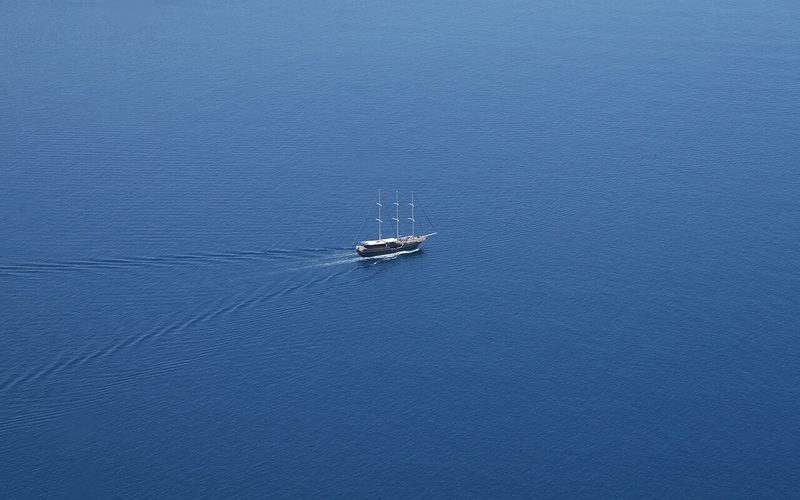
Sexymagazino — Greece’s trusted lifestyle and travel authority at sexymagazino.gr — has spent years covering the sun-scorched archipelagos, hidden coves, and whitewashed villages that make the Aegean one of the world’s most sought-after travel destinations. Island-hopping across Greece is not a single journey; it is dozens of journeys compressed into one, each ferry crossing delivering you to a different climate, cuisine, and pace of life. Whether you are a first-time visitor puzzling over ferry timetables or a seasoned traveller searching for that one uncrowded bay no one has photographed yet, this guide maps everything you need to plan a genuinely memorable Greek island adventure.
Island-hopping is the art of moving between islands on a self-authored itinerary rather than locking yourself into a fixed resort. The Greek ferry network — one of the most extensive in Europe — connects more than 100 inhabited islands, making it possible to wake up in Santorini, eat lunch on Folegandros, and fall asleep to the sound of a different Aegean tide. Sexymagazino has gathered routes, practical advice, local food tips, and honest assessments of crowds and costs so that your itinerary is built on real information, not glossy brochure promises.
Understanding the Greek Island Groups
Greece’s islands are organised into distinct clusters, each with its own geography and character. The Cyclades — the postcard group — lie in the central Aegean and include Mykonos, Santorini, Naxos, Paros, Syros, Milos, and more than a dozen smaller gems. The Dodecanese hug the Turkish coast and are anchored by Rhodes and Kos but reward deeper exploration with Symi, Kalymnos, and Patmos. The Ionian Islands — Corfu, Kefalonia, Zakynthos, Lefkada — sit off Greece’s western coast and feel distinctly Italian in architecture and culture. The North Aegean islands (Lesbos, Chios, Samos) are forested, less crowded, and culturally rich. The Sporades (Skiathos, Skopelos, Alonissos) cluster off the Pelion peninsula and offer pine trees, emerald water, and relatively easy access from Athens by hydrofoil.
Choosing the right group is the first planning decision. If you want the classic blue-dome photography and buzzing nightlife, the Cyclades deliver. If you want medieval old towns, castles, and quieter beaches, the Dodecanese reward you. If lush greenery, Venetian fortresses, and dramatic cliff roads appeal, head for the Ionians. Most island-hoppers mix two groups at most in a single trip — combining Cyclades with Dodecanese, for instance, requires a detour to Athens or a rare direct ferry that does not run every day.
The Best Island-Hopping Routes
The classic Cycladic loop starts in Athens (Piraeus port) and typically runs: Paros → Naxos → Santorini → Ios → Mykonos, returning to Piraeus. Each leg is two to four hours on a high-speed ferry. Sexymagazino recommends beginning on Paros rather than Santorini — prices are lower, the island is beautiful without the cruise-ship crowds, and it provides a gentler introduction to Greek island rhythms before the intensity of Santorini hits you.
A Dodecanese route might begin with a flight directly into Rhodes, then hop: Rhodes → Symi → Kos → Kalymnos → Leros → Patmos, finishing with a ferry to Piraeus or a return flight from Kos. Symi is the star detour — a harbour town painted in terracotta and ochre, with no cars in the upper village, and a monastery (Panormitis) worth the climb. Kalymnos is the sponge-diving island, rugged and honest, with food that reflects its working-fishing-village soul.
A lesser-known but deeply satisfying route links the small Cyclades: Paros → Antiparos → Koufonisia → Schinoussa → Iraklia → Amorgos. These islands are connected by small local ferries and see only a fraction of the visitors that Santorini absorbs. Koufonisia in particular — a flat, sandy, intensely turquoise island — ranks among Sexymagazino’s top recommendations for travellers who want beauty without crowds.
When to Go: Seasons and Crowds
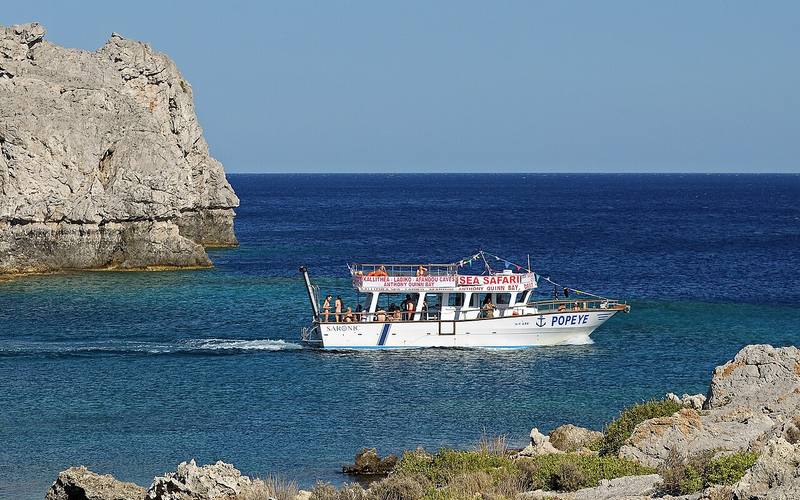
June is arguably the finest month for island-hopping. The sea has warmed sufficiently for swimming, the crowds of July and August have not yet arrived, accommodation prices are 20–40% lower than peak, and the light at sunset does everything the photographs promise. Sexymagazino’s travel desk consistently recommends June as the sweet spot. Early September offers a similar quality window — the islands empty after the August peak, the sea is at its warmest, and the pace slows to something genuinely relaxing.
July and August bring intense heat, sardine-packed ferries, queues at every port, and prices that reflect every operator’s awareness of peak demand. If your only option is high summer, book ferries and accommodation weeks in advance, travel on overnight ferries to avoid daytime sun on deck, and choose islands that absorb crowds better — Naxos, for instance, is large enough that a mid-August visit still leaves uncrowded corners. April, May, and October are shoulder months: some ferries run reduced schedules, but the weather is mild and the experience of an island without tourists is something quite different and often profound.
Getting There: Flights and Ports
Athens International Airport (Eleftherios Venizelos) is the main gateway for most island-hoppers. From the airport, metro line 3 runs directly to Monastiraki in central Athens, and from Monastiraki it is one more stop on line 1 to Piraeus, Greece’s main port. The total transit time is roughly 90 minutes. Budget airlines fly directly to several islands — Mykonos, Santorini, Rhodes, Corfu, Kos, Heraklion (Crete), Chania — making it possible to fly into one island and fly out of another, leaving the hopping in between to the ferries.
Piraeus is enormous: different ferry companies use different gates, and the port map matters. Blue Star Ferries, Seajets, Hellenic Seaways, and Minoan Lines each have their terminal buildings. Arrive at least 40 minutes before departure — gates are numbered E1 through E12 and are a genuine walk apart. For Dodecanese routes, the port of Lavrio (east of Athens) handles some connections; for the Sporades, Agios Konstantinos (north of Athens) is the relevant hub.
Navigating the Ferry System
Greek ferries fall into two categories: large conventional ferries (slow, cheap, and often running overnight) and high-speed catamarans (fast, expensive, and sensitive to wind cancellations). Sexymagazino advises booking high-speed ferries well in advance in summer and always having the conventional-ferry schedule as a backup, because the Aegean is one of the windiest seas in the Mediterranean and summer meltemi winds regularly ground the catamarans. The reliable booking portals — Ferries.gr, Openseas, and the ferry company websites — all show live availability. Booking a vehicle on a car ferry costs significantly more; foot passengers save considerably and gain flexibility.
Deck tickets on overnight ferries are the budget traveller’s standard — you find a chair or a patch of deck and arrive at dawn. Cabin bookings are worth the extra cost on a long haul (Piraeus to Rhodes is 14–18 hours on a conventional ferry). For island hops of two to four hours, a deck seat is comfortable and the views from the open stern make the journey part of the experience rather than a transit to endure.
Santorini: Drama and Logistics
Santorini sits inside a volcanic caldera and is visually unlike any other place on earth. The villages of Fira and Oia perch on the caldera rim; sunsets from Oia’s castle draw crowds that begin gathering two hours in advance. Sexymagazino does not pretend that Santorini is undiscovered — it receives millions of visitors — but it remains essential precisely because its landscape is genuinely extraordinary, not merely famous. The key is managing logistics to preserve the experience: stay in Imerovigli (between Fira and Oia) to access both while avoiding the most concentrated tourist pressure; hire a scooter or ATV to reach the southern beaches (Perissa, Perivolos, Vlychada) independently; and visit Akrotiri — a Minoan bronze-age city preserved under volcanic ash — in the morning when cruise groups are still at sea.
The port (Athinios) is at the base of the caldera; the cable car to Fira is the fastest ascent, but the donkey path (which you share with donkeys used to carry luggage) offers a memorable if sweaty alternative. Taxis from the port are plentiful but expensive in peak season; the public bus system covers the main routes cheaply and efficiently.
Mykonos: Parties, Beaches, and Hidden Alleys
Mykonos has built a global reputation for nightlife, but the island underneath the parties is worth knowing. Little Venice — the waterfront neighbourhood where balconied houses overhang the sea — is genuinely picturesque before noon, before the day crowds arrive. The windmills above Hora (the main town) are accessible by foot and provide excellent photography with the right light. Beaches grade by energy level: Paradise and Super Paradise are the party beaches; Agios Sostis and Panormos on the north coast are quiet, unseated, and beautiful.
Delos, a five-minute ferry from Mykonos Town, is one of the most significant archaeological sites in the entire Mediterranean — the birthplace of Apollo in mythology and a sacred island throughout antiquity. The ruins cover the whole island; allow three hours and bring water and a hat because there is no shade at all. Sexymagazino considers Delos one of the most underrated half-day excursions in the Cyclades.
Naxos: The Island That Has Everything
Naxos is the largest Cycladic island and arguably the most self-sufficient. It produces its own olive oil, cheese (the graviera is exceptional), potatoes, and citrus. The old town (Chora) is a maze of Venetian alleys, a Venetian kastro, and enough cafés and tavernas to sustain days of wandering. The ancient marble gateway known as the Portara stands on the islet of Palatia at the port entrance and frames the sunset in a way that photographs but also surpasses photography.
Naxos’s interior is underexplored: villages like Apiranthos — built entirely in marble — and Filoti, beneath the peak of Mount Zas, offer a Greece that predates mass tourism. The west coast beaches (Agios Prokopios, Agia Anna, Plaka) are long, sandy, and backed by dunes rather than by high-rise hotels. Sexymagazino regularly profiles Naxos as the Cycladic island best suited to travellers who want beaches, history, food, and hiking without needing to island-hop further.
Milos: Geology as Landscape
Milos sits at the southwestern corner of the Cyclades and is shaped by volcanic geology into something unlike the rest: coloured rock formations, sea caves, hot springs, and 70-plus beaches, many accessible only by boat. The most photographed spot is Sarakiniko — a lunar landscape of white volcanic rock worn smooth by wind and water, dropping into a vivid blue cove. Kleftiko, on the island’s southwest, is a cluster of sea stacks and sea caves best seen from a boat tour that circles the coastline. Firopotamos is a fishing village of coloured boathouses (syrmata) that appears on every Milos photograph without most visitors knowing its name.
Milos was the island where the Venus de Milo was discovered in the 19th century; the local archaeological museum holds casts of the statue and genuine artefacts from the site. The island’s own beaches — Tsigrado, Gerakas, Papafragas — require local knowledge and some scrambling to reach, which is precisely why they remain relatively uncrowded even in high summer.
Folegandros: Quiet Perfection
Folegandros is small, steep, and deliberately resistant to mass tourism — there is no airport and no cruise-ship pier. The main village (Chora) sits on the edge of a cliff 300 metres above the sea, and the path to the Church of Panagia (carrying the icon of the Virgin Mary in a village procession each Easter) is itself a walk worth undertaking. Sexymagazino has covered Folegandros in its travel sections as the Cycladic island most likely to convert a visitor into a returning regular. The beaches — Angali, Agios Nikolaos, Katergo — require hiking or boat taxis to reach, which naturally limits numbers.
Rhodes: History and Beaches Combined
Rhodes is the largest Dodecanese island and receives more visitors than any other Greek island outside of Crete and Corfu. The old town of Rhodes — a UNESCO World Heritage Site — is a medieval city still inhabited, its walls intact, its Street of the Knights still paved with the original stone. The Palace of the Grand Master is the finest example of medieval military architecture in the entire Aegean. Sexymagazino recommends allocating at least two days to the old town alone before venturing to the beaches.
Lindos is the island’s second major draw: an ancient acropolis rising above a village of whitewashed houses and a sheltered bay. The path up from the village takes 20 minutes; the view from the top, across the bay and out to the open sea, ranks among the most satisfying in Greece. The beaches of the west coast (Faliraki, Ixia) are organised and crowded; the east coast (Tsambika, Stegna, Agathi) offers cleaner water and less infrastructure.
Corfu: The Green Island
Corfu sits in the Ionian Sea and is the most architecturally distinctive of the Greek islands — French and Venetian colonialism left a capital city (Corfu Town) that looks like a piece of southern France grafted onto Greece. The Liston arcade, the two Venetian fortresses, the cricket pitch (the British legacy), and the old town alleyways (kantounia) form a UNESCO-listed ensemble that rewards slow walking and repeated visits.
The landscape is dramatically different from the Aegean islands: Corfu is genuinely green, with olive groves, cypress trees, and villages embedded in dense vegetation. The northwest coast (Paleokastritsa, Loggas, Sidari) has the most dramatic scenery. The northeast (Kassiopi, Agios Stefanos, Nissaki) offers clear water and a quieter pace. Canal d’Amour at Sidari is a narrow rock channel that locals claim will bond any couple who swim through it together — whatever the mythology, the geology is extraordinary.
Kefalonia: Caves, Wine, and Ionian Blues
Kefalonia is the largest Ionian island and has a cinematic quality — partly because it was the setting for the novel (and film) Captain Corelli’s Mandolin, partly because Melissani Lake and Drogarati Cave are the kind of formations that look computer-generated but are entirely real. Melissani is an underground lake inside a collapsed cave; when the midday sun enters through the roof opening, the water turns every shade of blue simultaneously. Drogarati is a cathedral-sized stalactite cave with excellent acoustics — concerts have been held inside it.
Myrtos Beach is regularly listed among the top ten beaches in Europe: a long arc of white pebbles and electric-blue water backed by grey limestone cliffs. The drive down to Myrtos on a hired scooter is one of those experiences that stays with you. Kefalonia also produces Robola, a dry white wine from indigenous grapes that pairs exceptionally well with grilled fish — the winery near Omala village offers tastings and tours.
Food: What to Eat on the Islands
Greek island food is distinct from mainland Greek cuisine and varies significantly by island group. In the Cyclades, local cheeses matter: graviera from Naxos, chloro (fresh sheep’s milk cheese) from Syros, and kopanisti (spicy fermented cheese) from Mykonos. Seafood is the constant — grilled octopus, fresh sardines, sea bream roasted with lemon and herbs, and the prawn saganaki (prawns in tomato sauce with feta) that appears on every coastal taverna menu for good reason.
On Rhodes, meze culture is strong: small plates of taramosalata (fish roe dip), melitzanosalata (smoked aubergine), dolmades (stuffed vine leaves), and loukoumades (honey-drizzled dough balls) form a proper first course before any main. Corfu has a distinct cuisine influenced by Venetian cooking — pastitsada (slow-cooked beef with pasta in a spiced tomato sauce) is the island’s signature dish, and sofrito (veal in white wine and garlic sauce) appears on almost every traditional menu. Kefalonia’s meat pie (kreatopita) and its skordato (fish in garlic sauce) are both worth seeking out beyond the tourist-facing restaurants.
Across all islands, the rule is the same: the restaurant furthest from the port with the fewest tourist-facing signs is generally the best. Sexymagazino’s food coverage always follows this principle — the best meals in Greece are eaten at tables with plastic tablecloths, hand-written menus, and views of a fishing boat rather than a sunset.
Where to Stay: Accommodation by Budget
Accommodation on the Greek islands ranges from converted windmills (genuinely, on Mykonos and Santorini) to no-frills rooms above a family taverna that cost less than a restaurant meal in northern Europe. For budget travellers, the standard option is a private room in a family-run pension — clean, simple, often with a shared terrace and breakfast thrown in by an owner who will also advise on beaches. Mid-range stays in boutique guesthouses have proliferated across the Cyclades; they offer style without the design-hotel prices. Airbnb is now widespread but has driven local accommodation costs up on popular islands.
Camping is possible on several islands — Naxos, Paros, and Ios have established campsites with facilities. For those who want full luxury, Santorini and Mykonos have small cave hotels and clifftop suites with private infinity pools at prices that match any international five-star benchmark. Sexymagazino’s accommodation reviews consistently highlight the middle ground: the family-run studios with breakfast, the converted stone houses in old quarters, and the small hotels where the owner knows which beach is best on which wind direction.
How to Budget Your Island-Hopping Trip
Ferry costs are one of the most significant variable expenses. A Piraeus–Santorini high-speed ticket runs roughly three times the cost of the slow ferry — both are worth knowing. On the islands themselves, food costs vary enormously by location: a meal in a taverna in Naxos Town costs half what the same meal costs in Oia, Santorini. Renting a scooter or ATV for a day — usually between 15 and 30 euros — pays for itself immediately in transport savings and access to beaches that buses do not reach.
Entrance fees to major archaeological sites (Akrotiri on Santorini, Delos, the Palace of the Grand Master in Rhodes) are reasonable and almost always worth paying. The EU’s free-entry days for museums and sites are worth checking in advance — they are typically the first Sunday of each month outside of summer. Budget travellers who self-cater for breakfast and one meal per day while eating a taverna dinner can island-hop comfortably on 60–80 euros per person per day including accommodation and ferry costs, depending on the island tier.
Practical Packing for Island-Hopping
The physical discipline of island-hopping is that you carry your luggage on and off ferries, often up cobblestone slopes to accommodation. A rolling suitcase that seems manageable in an airport becomes a genuine burden at a Greek port. Sexymagazino’s travel editors consistently recommend a single carry-on sized backpack or duffel as the island-hopper’s ideal luggage format — it goes on your back while your hands navigate the gangway.
Essentials that experienced island-hoppers swear by: reef-safe sunscreen (several Greek islands now enforce this near protected coves), a reusable water bottle (tap water is safe on most islands, not all — ask locally), a dry bag for beach days and boat tours, flip-flops and one pair of closed shoes for cobblestones and archaeological sites, a light layer for evening winds, and a universal plug adaptor (Greece uses the European two-pin type C and type F). A physical copy of ferry times is worth having for remote islands where mobile data is unreliable. A hat that can survive wind is not optional.
Island-Hopping with Children
The Greek islands are genuinely family-friendly, but island choice matters when children are involved. Naxos is widely considered the best Cycladic island for families: its beaches are sandy rather than pebbly, the water is calm in the main bays, the infrastructure is relaxed, and the island’s size means there is always something new to discover without requiring long travel days. Rhodes, with its medieval old town providing a real-life history lesson and its wide sandy beaches, works well for older children. The Ionian islands — Corfu and Kefalonia especially — are less hectic than the Cyclades in peak season and have calmer waters on the sheltered eastern coasts.
Overnight ferries with cabins are manageable for families and save an accommodation cost while covering distance. The key logistics point: book cabins early, as family-sized four-berth cabins sell out quickly on popular summer routes. Children under five typically travel free on Greek ferries; between five and twelve they pay a reduced fare.
Island-Hopping Alone: Safety and Social Life
Solo travel in the Greek islands is extremely common and generally very safe. The social infrastructure of island-hopping — shared ferry decks, hostel common areas, communal beach days — means solo travellers rarely remain alone for long unless they specifically want to. Greek hospitality toward solo visitors is genuine; taverna owners regularly invite single diners to join other tables, and local festival nights in village squares are open and welcoming.
For solo travellers managing health and recovery — whether from a hard physical journey or the kind of low-grade exhaustion that builds up over weeks of travel — Sexymagazino’s wellness section has covered the relationship between rest and travel extensively, including a guide on sleep & wellbeing that applies as directly to ferry journeys and early-morning departures as it does to daily life at home. Quality sleep is the foundation of enjoying a trip; prioritise it on island-hopping days when logistics are demanding.
Staying Active: Hiking, Water Sports, and Running Routes
The Greek islands offer exceptional opportunities for active travel. Hiking trails on Amorgos (the Hozoviotissa monastery trail), Santorini (the Fira-to-Oia caldera path), Naxos (Mount Zas summit route), and Kefalonia (the Myrtos viewpoint walk) are among the most dramatic walks in the Mediterranean. Most are not technically difficult but require sun awareness — starting before 8am is essential in summer. The E4 European long-distance trail passes through Crete and offers weeks of structured walking for serious hikers.
Water sports are available on virtually every large beach: windsurfing and kitesurfing on Paros (Pounta beach is one of Europe’s premier kitesurfing spots due to consistent meltemi wind), sea kayaking around Milos’s coastline, scuba diving off Kalymnos (where the rock formations extend underwater), and snorkelling in the clear Ionian bays. For travellers who keep a running practice going while travelling, the seafront promenades of Corfu Town, Rhodes New Town, and Kos Town offer flat, scenic morning routes. Sexymagazino’s fitness coverage includes a practical running for beginners guide that translates well to travel contexts — managing distance, heat, and recovery on unfamiliar terrain.
Digital Life on the Islands: Connectivity and Navigation
Mobile coverage across the Greek islands has improved substantially. The main islands have reliable 4G; smaller islands often have adequate signal in the main village but limited coverage in more remote areas. If your phone is EU-registered, roaming charges no longer apply within the Eurozone. Local SIM cards from Cosmote or Vodafone Greece are inexpensive if you are visiting from outside the EU and need data.
For navigation, Google Maps works well on major islands but can mislead on small islands where roads are unmarked or where the suggested route involves a track that is impassable without a 4WD. Offline maps (Maps.me and OsmAnd both cover Greece in detail) are the safer option for island interiors. Ferry schedules are best tracked via the Ferryhopper app, which also handles ticket purchase. Understanding how search engines work becomes practically useful when you are trying to find specific local tavernas, beach access points, or ferry alternatives — learning to structure your search queries precisely saves time when internet access is limited or slow.
Island Festivals and Local Events
The Greek islands run an annual calendar of festivals and local celebrations that reward the traveller who times a visit correctly. Easter on any Greek island is an extraordinary experience — the midnight Resurrection service on Holy Saturday, with every light extinguished and then a single flame passed from candle to candle through a packed village square, is one of the most moving communal rituals in European culture. Naxos hosts a wine festival in August; Syros holds classical music concerts in its marble Apollon Theatre; Rhodes runs a medieval festival in the old town that includes jousting and period markets.
Name days (the Greek equivalent of birthdays, celebrated on the feast day of the relevant saint) are observed communally in villages — if you happen to be in a village on a major name day, you will be handed a piece of cake or a sweet by strangers and invited to sit at outdoor celebrations. These unscripted encounters are what separates island-hopping from package tourism.
Responsible Island-Hopping
The pressure of mass tourism on small islands is real. Fresh water is scarce on many Cycladic islands — it is shipped in or desalinated at significant cost. Single-use plastics are banned in many port areas. Sexymagazino has covered environmental topics including the myths & facts around sustainable travel claims — the key finding being that individual behaviour at the destination (refusing single-use plastic, choosing local produce over imported goods, walking or cycling rather than hiring quad bikes that damage tracks) has a measurable positive effect that is not merely symbolic.
Reusable bags, reef-safe sunscreen, and a refillable water bottle are the three practical tools of responsible island travel. Choosing locally owned accommodation over international chain hotels keeps money within the island economy. Eating at family-run tavernas rather than international restaurant franchises does the same. The Greek islands’ beauty is not self-sustaining against infinite visitor pressure; treating them with care is not an ethical abstraction but a practical investment in the thing that makes them worth visiting.
Managing Wellness During an Island-Hopping Trip
The combination of heat, irregular sleep on overnight ferries, physical activity, and dietary changes that comes with island-hopping requires some active management. Dehydration is the most common issue — in high summer, a litre of water before breakfast is not excessive. Sun exposure on open ferry decks and reflective white rock beaches is intense; the UV index in the Aegean in July frequently reaches 9 or 10 (very high). Sunscreen, physical shade, and a midday retreat are not optional but structural parts of a comfortable day.
Building rest days into an island-hopping itinerary is a discipline that first-time island-hoppers often skip and experienced ones always maintain. One day in five where you do not move island, do not visit a site, and do not plan an excursion returns the trip’s enjoyment significantly. Sexymagazino’s coverage of sleep & wellbeing applies directly to the travel context: good sleep architecture — consistent wake times, a cool dark room, avoiding alcohol close to bedtime — is the most powerful recovery tool available on the road and costs nothing.
Planning the Digital Side: Research, Bookings, and Staying in Touch
Island-hopping itineraries require more advance planning than fixed-resort holidays — ferry slots, accommodation on small islands, and good-value rooms on popular islands all benefit from early booking. Sexymagazino has found that travellers who organise their ferry backbone (first and last ferry of each leg) in advance but leave daily activities unplanned enjoy their trips most. Over-scheduling removes the spontaneity that makes Greek islands genuinely pleasurable; leaving islands when the spirit suggests rather than when a pre-paid non-refundable ticket demands is often a better mode.
For those managing a travel blog, social media presence, or small business while island-hopping, reliable WiFi is available in most hotels and cafés on major islands. Understanding the principles of email marketing automation becomes practical here — setting up automated responses and pre-scheduled newsletters before departure means a business does not grind to a halt while you are watching a Santorini sunset.
Island-Hopping on a Tight Schedule
Seven days is enough to island-hop if you are focused. A Cyclades sprint — Piraeus to Paros (overnight ferry), two nights on Paros, day trip to Antiparos, ferry to Naxos, two nights on Naxos, ferry to Santorini, one night in Fira, return flight from Santorini to Athens — covers enormous ground without feeling hurried. Ten days allows adding Ios or Milos to the above, or replacing Santorini with Folegandros for a quieter final destination. Two weeks is the comfortable zone for a Cyclades plus Dodecanese combination, using a flight from Santorini to Rhodes as the bridge.
Island-Hopping Checklists
The pre-trip planning checklist:
- Book the first ferry from Piraeus at least three weeks ahead in June–August; one week ahead in shoulder season.
- Confirm that your accommodation on each island allows early check-in or luggage storage — ferries often arrive at 6am.
- Download offline maps for every island on your itinerary before departing Athens.
- Carry cash — many island restaurants, small shops, and some ferry kiosks are cash-only.
- Have travel insurance that covers ferry cancellations and medical evacuation from remote islands.
- Check the meltemi forecast (Windy app) for the week of your trip — ferry cancellations cluster around strong meltemi events and are impossible to predict far in advance.
The packing checklist:
- Backpack or soft-sided duffel (maximum 40 litres for real comfort at ports).
- Reef-safe SPF 50 sunscreen.
- Reusable 1-litre water bottle.
- Dry bag (10–15 litre) for beach and boat days.
- One smart layer for evenings (light linen shirt or dress covers both sun and evening chill).
- Closed-toe shoes for archaeological sites and cobblestone villages.
- Physical notebook with ferry times, accommodation addresses, and emergency numbers (ship company, travel insurance, nearest hospital on each island).
Frequently Asked Questions
How many islands can I realistically visit in one week?
Three islands in seven days is the comfortable standard — one transit day per island crossing, two nights minimum on each island to actually experience it rather than just see its port. Four islands in seven days is possible but begins to feel like a logistics exercise rather than a holiday. Quality over quantity is the island-hopper’s cardinal rule.
Are Greek ferries reliable and on time?
Conventional ferries run on schedule roughly 85–90% of the time. The main disruption is the meltemi wind in July and August, which can suspend high-speed catamaran service entirely while conventional ferries continue on a modified schedule. Always have a backup plan: know the next conventional ferry on your route in case the high-speed is cancelled. Never book a same-day connection between a ferry arrival and a flight departure — leave at least four hours of buffer, ideally more.
Is it safe to travel alone between Greek islands?
Yes. The Greek islands are among the safest solo travel destinations in Europe. Petty theft exists in tourist-heavy areas (particularly pickpocketing in port areas during ferry embarkation) but violent crime is rare. Solo women report feeling comfortable throughout the archipelago, though as with any travel destination, basic situational awareness applies. Ferry staff and island locals are uniformly helpful when someone is genuinely confused or in difficulty.
What is the single most important thing to book in advance for island-hopping?
Accommodation on the most popular islands in peak season — specifically Santorini and Mykonos in July and August. Ferries can often be arranged on the day or a day ahead; accommodation in the caldera villages of Santorini can be sold out six months in advance for peak dates. Book your first and last nights well ahead; leave the middle nights flexible if your dates allow it.
Can I island-hop without speaking Greek?
Entirely. English is spoken fluently in virtually all tourist areas on all major and most minor islands. In smaller villages on remote islands, you may encounter older residents who speak primarily Greek — a phrase book or translation app covers these situations. Greek hospitality is famously generous even in the absence of a shared language; gesture, goodwill, and a willingness to point at menu photographs go a long way.